
Protein desserts that aren't sad: what separates the good ones from chalk
There are three ways a protein dessert goes wrong and each one has a fix. Once you can name the failure you stop making it.

A protein dessert goes wrong in exactly three ways. Chalk, rubber, or so sweet it makes your teeth hurt. Once you can name which one you're looking at, you can fix it, and it's almost never the fix people reach for first.
Chalk is a fat problem, not a liquid problem
Powder is dry. Add more liquid to a chalky mousse and you get a thinner chalky mousse, because water was never the missing ingredient. Fat is. A tablespoon of peanut butter or the switch from low-fat to full-fat yogurt does more for mouthfeel than any amount of milk, because fat is what coats your tongue and reads as rich instead of powdery.
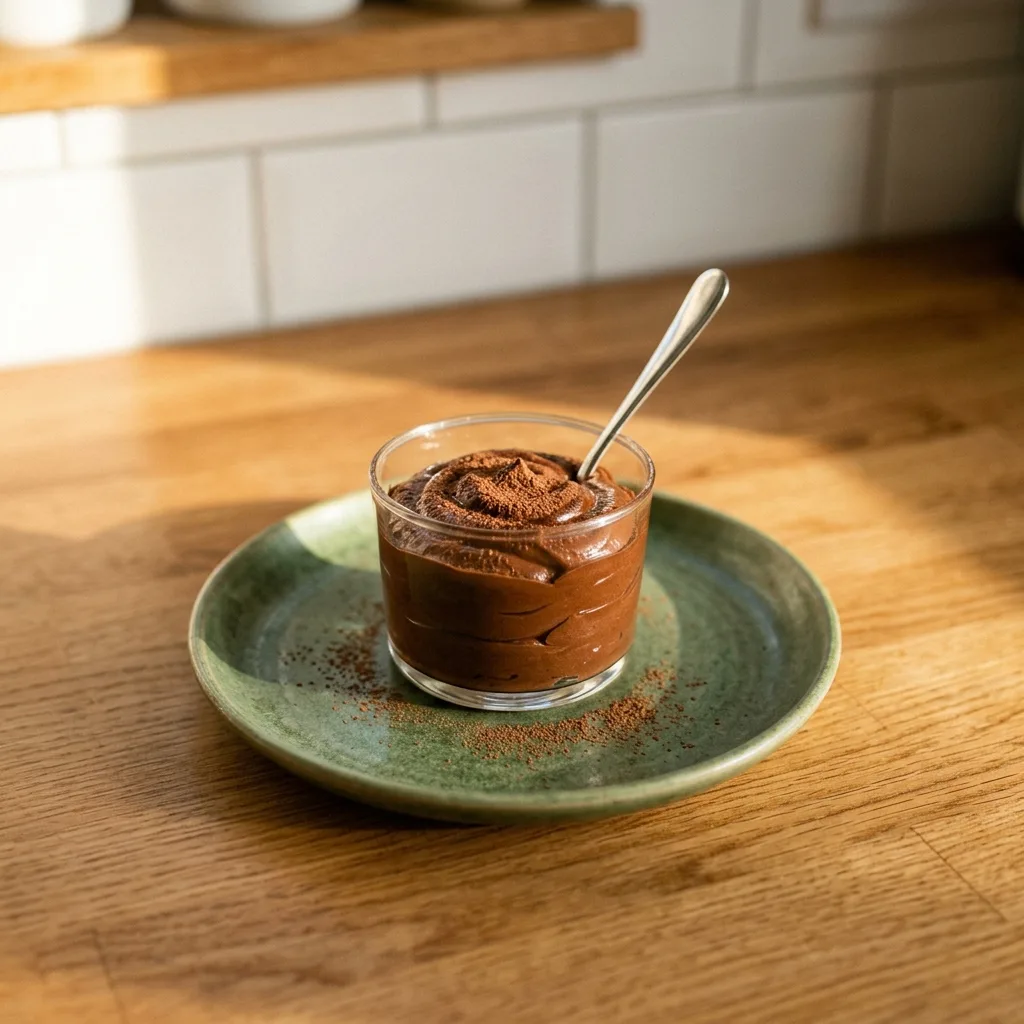
Greek yogurt chocolate protein mousse gets this from full-fat strained yogurt rather than added protein powder, which is also why it doesn't chalk up the way a powder-heavy version would. Cocoa and yogurt fat carry the texture; the yogurt's own protein does the rest.
Rubber is overbaking, and whey sets fast
Whey firms up hard and quick under heat, faster than flour ever led you to expect. Pull a protein cookie or blondie when it looks done and you've already gone past the point of no return; it finishes rock solid on the tray.
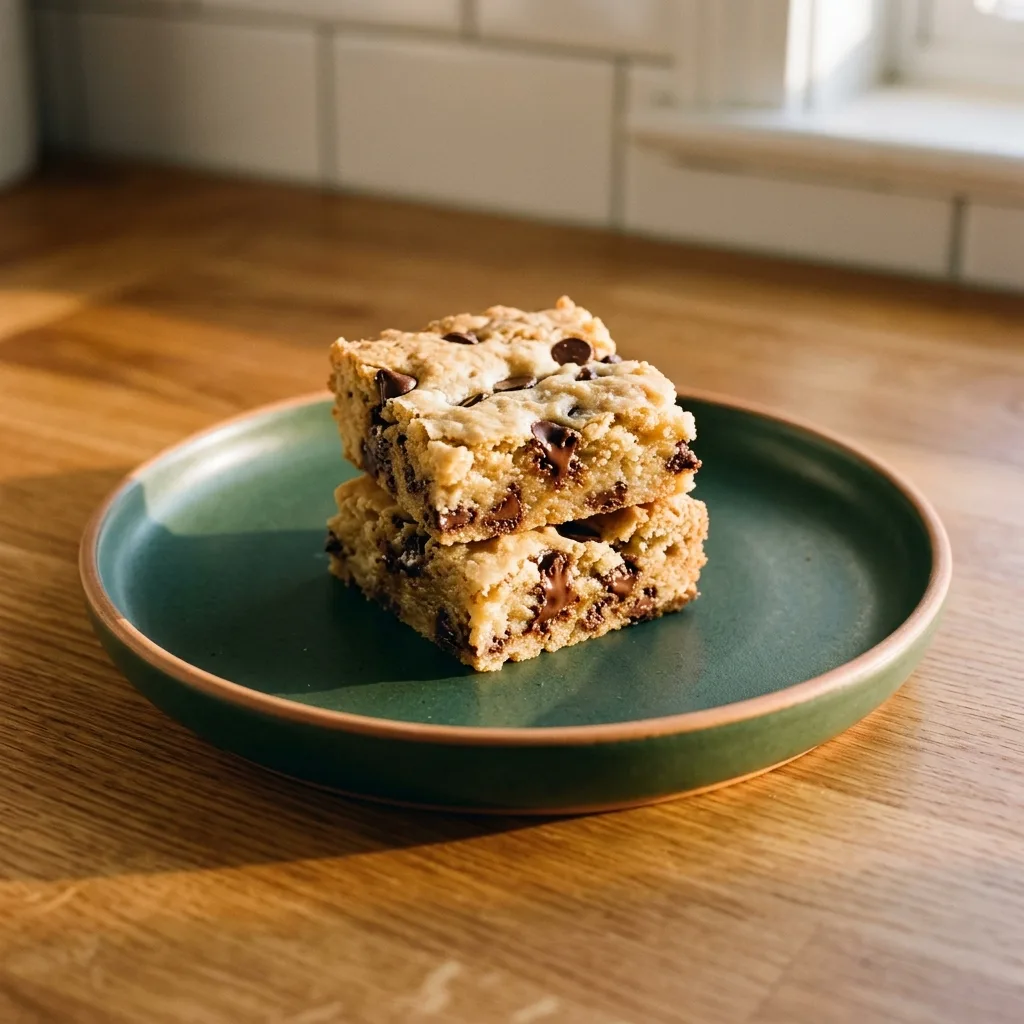
The fix is to pull it early, while the center still looks underdone. It keeps cooking from residual heat and firms up to exactly right by the time it's cool. Cottage cheese chocolate chip blondies are forgiving here because cottage cheese holds moisture even through a slightly long bake, but the rule holds for anything with whey in it: when in doubt, take it out.
Cloying is sweetener stacking, and it's the easiest fix
Flavored protein powder is already sweetened, sometimes aggressively. Add a recipe's usual sugar or honey on top of that and you get two sweetening systems fighting for the same dessert, and the result reads as cloying rather than as "very sweet dessert," which is a different and worse thing.
Cut the recipe's added sweetener first, before you touch anything else. Most protein desserts that taste like a headache are just double-sweetened, not badly made.
The reliable path: dairy, not powder
The desserts that hold up best aren't the ones built around a scoop of powder. They're built on yogurt, skyr, or cottage cheese, which bring their own protein and their own texture at the same time, instead of asking a dry powder to do both jobs.
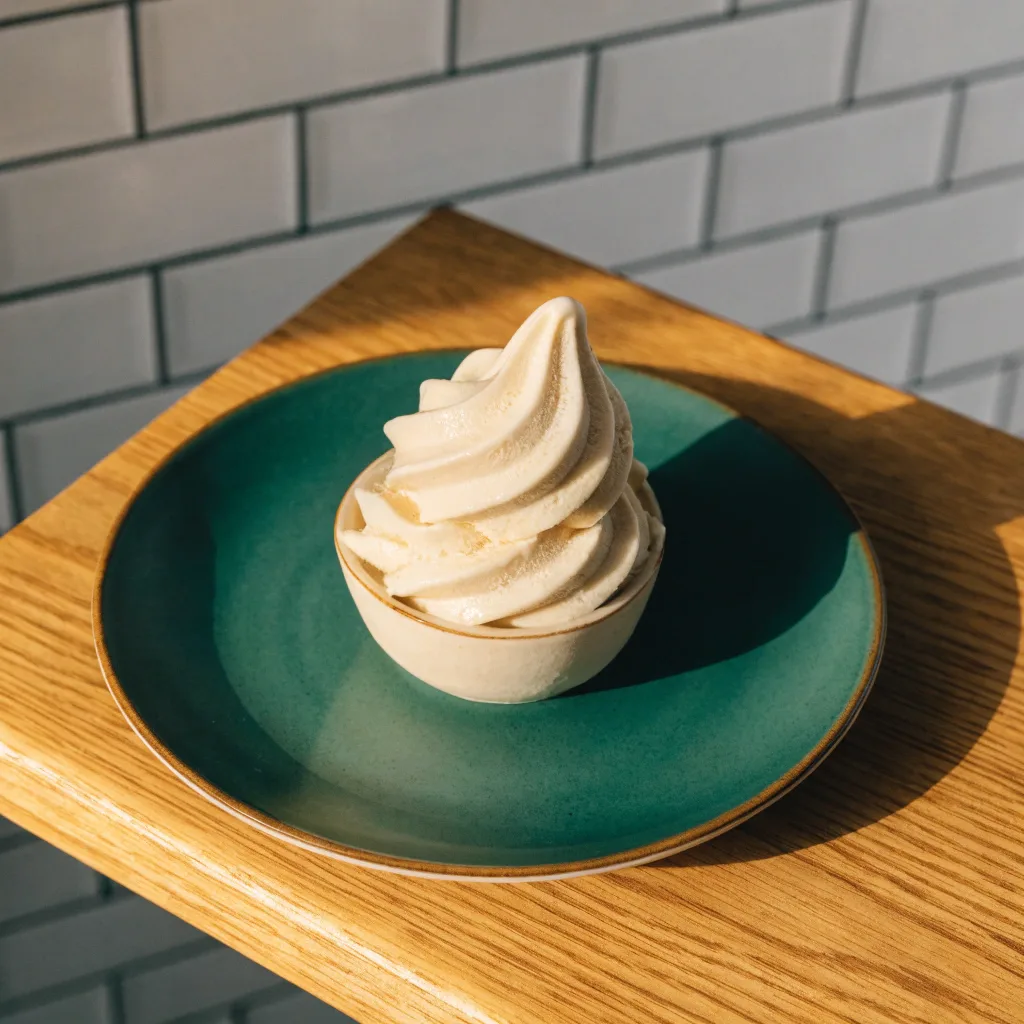
Casein protein ice cream is the one exception, and it still fits the pattern: it does use powder, but the frozen banana underneath is doing the texture work that dairy usually does, which is why it scoops instead of turning to ice.
For the science behind why casein specifically behaves this way in cold and set desserts, see casein vs whey at night. And if cottage cheese is new to your kitchen, cottage cheese is the ingredient of the decade covers what it does beyond dessert.
Recipes in this post
More from the blog
The Protein Drop #4: Twenty minutes of beef that carries four days
Gochujang beef is the fastest thing in this series and the one that improves most overnight. The cucumber salad is what keeps it from getting boring.
Casein vs whey: why one makes pudding and the other makes a smoothie
Everyone quotes the digestion speed. The texture difference is what decides whether you end up with pudding or a smoothie.
Cottage cheese went from diet food to the ingredient of the decade
It sat in the back of the fridge for thirty years with a reputation problem. Then people worked out it blends. Here is what it does, savory and sweet.
What to put on top
A Nutella alternative with six grams of protein in two tablespoons, where the original has about one. Plus five more things that make a bowl better instead of just bigger.
Comments
Sign in to leave a comment. Free for all members.
No comments yet. Be the first.