
Casein vs whey: why one makes pudding and the other makes a smoothie
Everyone quotes the digestion speed. The texture difference is what decides whether you end up with pudding or a smoothie.

Every protein powder tub tells you the same thing about casein. Slow-digesting. Sustained release. Feeds your muscles while you sleep. It's on every label and it's true, but it's not why you should own a tub of it.
Mix a scoop of whey into milk and thirty seconds later it's still milk, just thicker. Mix a scoop of casein into the same milk and walk away for two hours. Go back and it's set. Not thickened, set, the way custard sets. No starch, no gelatin, nothing else added. That's the whole difference, and almost nobody talks about it.
Why one gels and the other doesn't
Whey is soluble. Its proteins stay dissolved and spread out in water, which is exactly what you want in a shaker bottle you're going to drink in one go.
Casein is a different shape. In milk it exists as micelles, tiny clusters that stay in loose suspension until something disturbs them, at which point they clump and bind water between them. That's the same mechanism that curdles milk into cheese. A casein shake left alone for long enough does a mild version of that on its own, and what comes out the other side is pudding.
It's also why casein takes six to eight hours to digest against whey's two. The clumping that gives you pudding at room temperature does the same thing in your stomach: it curdles in the acid and slows everything down to a trickle instead of a flood.
Which one for what
Whey for anything you're drinking fast or baking. Pancakes, smoothies, a shake before the gym. It stays loose, mixes clean, and doesn't fight the batter.
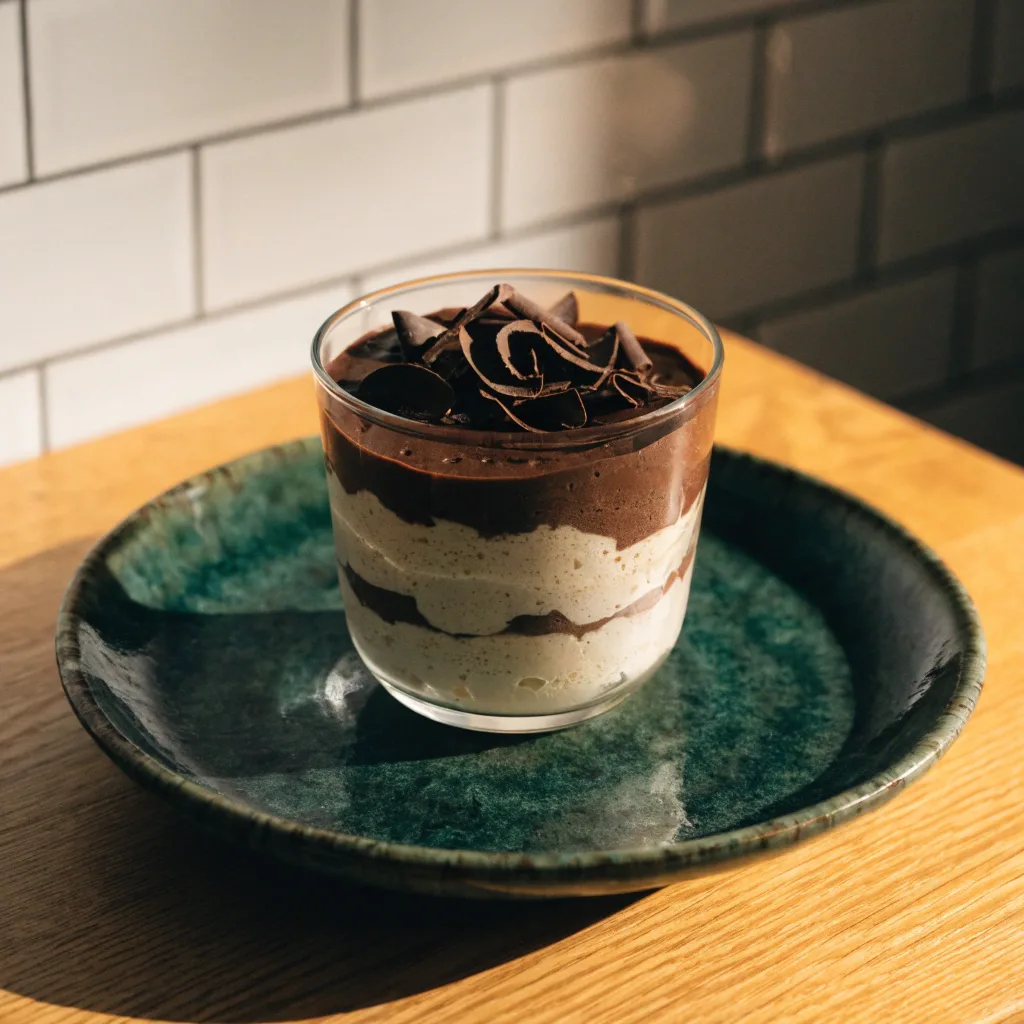
Casein for anything you want thick or set without adding a thickener. Pudding, overnight cups, ice cream base. Ours goes into a bedtime pudding parfait that firms up in the fridge on its own, and into a batch of tiramisu cups that need to hold layers without slumping.
Use whey where you meant casein and you get a thin, separated pudding that never sets. Use casein where you meant whey and you get a shake with the consistency of wet cement, undrinkable through a straw. They are not interchangeable and the swap is the most common mistake in a protein kitchen.
The bedtime argument, sized correctly
The bodybuilding case for casein before bed is that slow release feeds muscle protein synthesis overnight instead of leaving you in a fasted state. It's a real, published effect. It's also a small one, worth a few percentage points of an already well-fed day, not a transformation.
Eat the pudding because a chocolate pudding at 34g of protein across two servings is a good dessert to have sitting in your fridge, not because you're chasing an overnight metabolic edge that won't survive contact with a bad day of eating everywhere else.
Where the texture pays off elsewhere
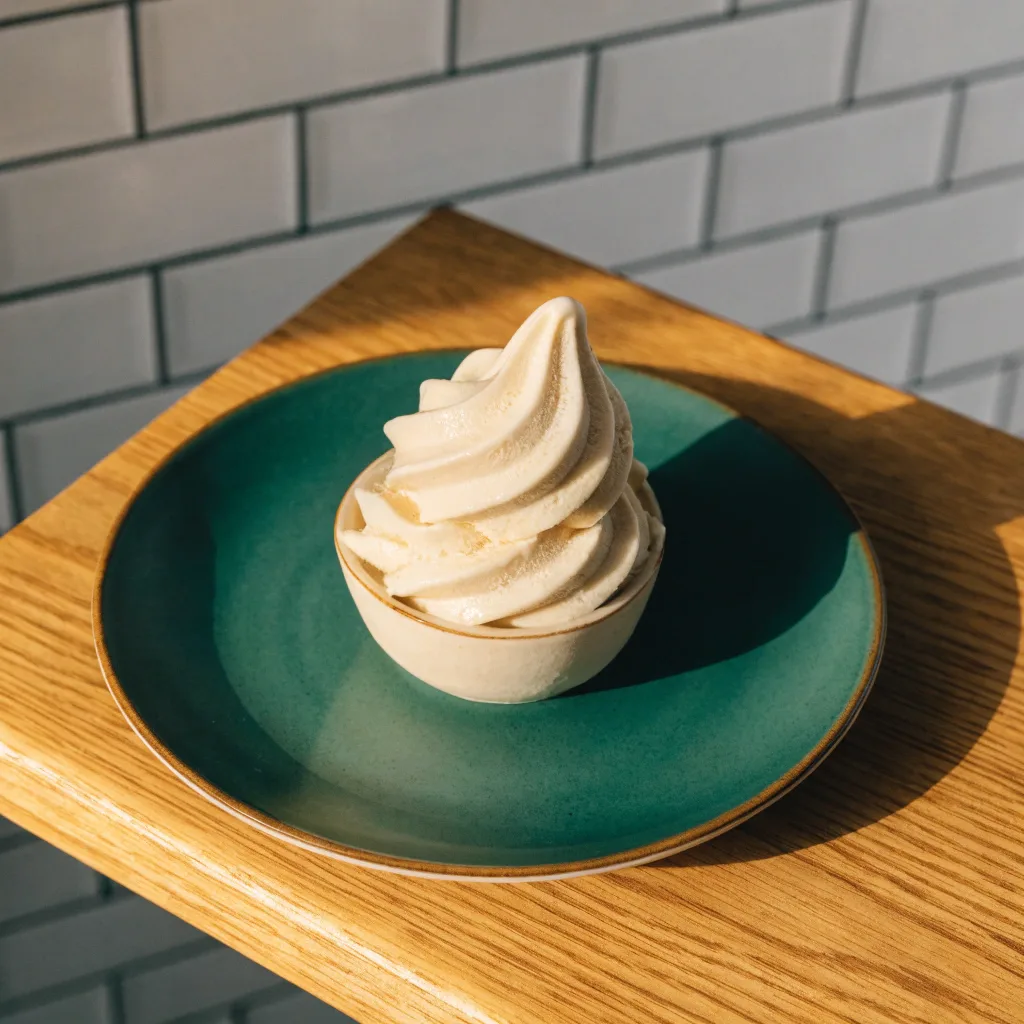
Once you've made pudding on purpose, you start noticing where the same setup would fix a recipe that's currently too soft. Our casein protein ice cream uses a frozen banana instead of milk to do it without a machine, and comes out scoopable rather than icy because the casein is doing the same binding job in the freezer that it does in the fridge.
For a wider tour of what protein powder can actually do to texture, not just macros, see protein desserts that aren't sad. And if you're still working out what your daily number should even be before you start picking desserts around it, start with how much protein do you actually need.
Recipes in this post

More from the blog
The Protein Drop #3: Sushi bake, four lunches, no rolling
The viral sushi bake was built for a party tray. It turns out to be one of the best prep dishes we have tested, as long as you keep the nori dry.
Three meals to your number: a full day at three bodyweights
The formula gives you a target. Here is what hitting it looks like on a plate, at three different bodyweights, built entirely from recipes already in the database.
Protein desserts that aren't sad: what separates the good ones from chalk
There are three ways a protein dessert goes wrong and each one has a fix. Once you can name the failure you stop making it.
How much protein do you actually need? A real number, not a range
Every source gives you a range wide enough to be useless. Here is how to land on one number for your body, and how to spread it across the day so it counts.
Comments
Sign in to leave a comment. Free for all members.
No comments yet. Be the first.