
Cottage cheese went from diet food to the ingredient of the decade
It sat in the back of the fridge for thirty years with a reputation problem. Then people worked out it blends. Here is what it does, savory and sweet.

Cottage cheese spent thirty years at the back of the fridge with a reputation problem. Watery, curdled, the diet food you ate because you were supposed to, not because you wanted to. Then somebody worked out it blends, and the reputation collapsed almost overnight.
What it is
Cottage cheese is roughly 80% casein, the same slow-digesting protein behind casein vs whey at night, at about 11g per 100g for a fraction of the calories in most cheese. It was always a good ingredient. It just had a bad interface.
The thirty seconds that changed everything
The curds are the whole objection. Run cottage cheese through a blender for thirty seconds and they disappear, leaving something between ricotta and creme fraiche: smooth, spreadable, no trace of where it came from. Nobody solved the nutrition. They solved the texture, and that's what took it from diet food to pantry staple.
Savory: it replaces cream
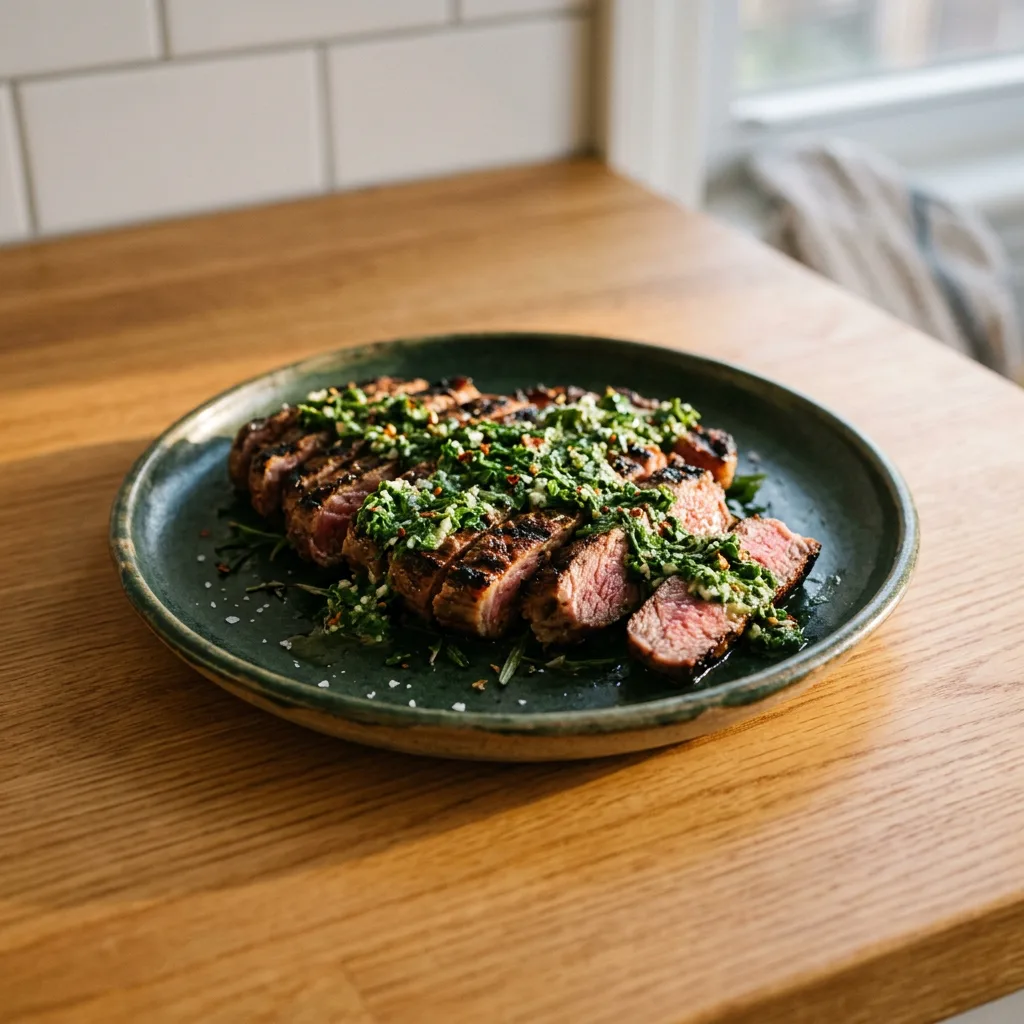
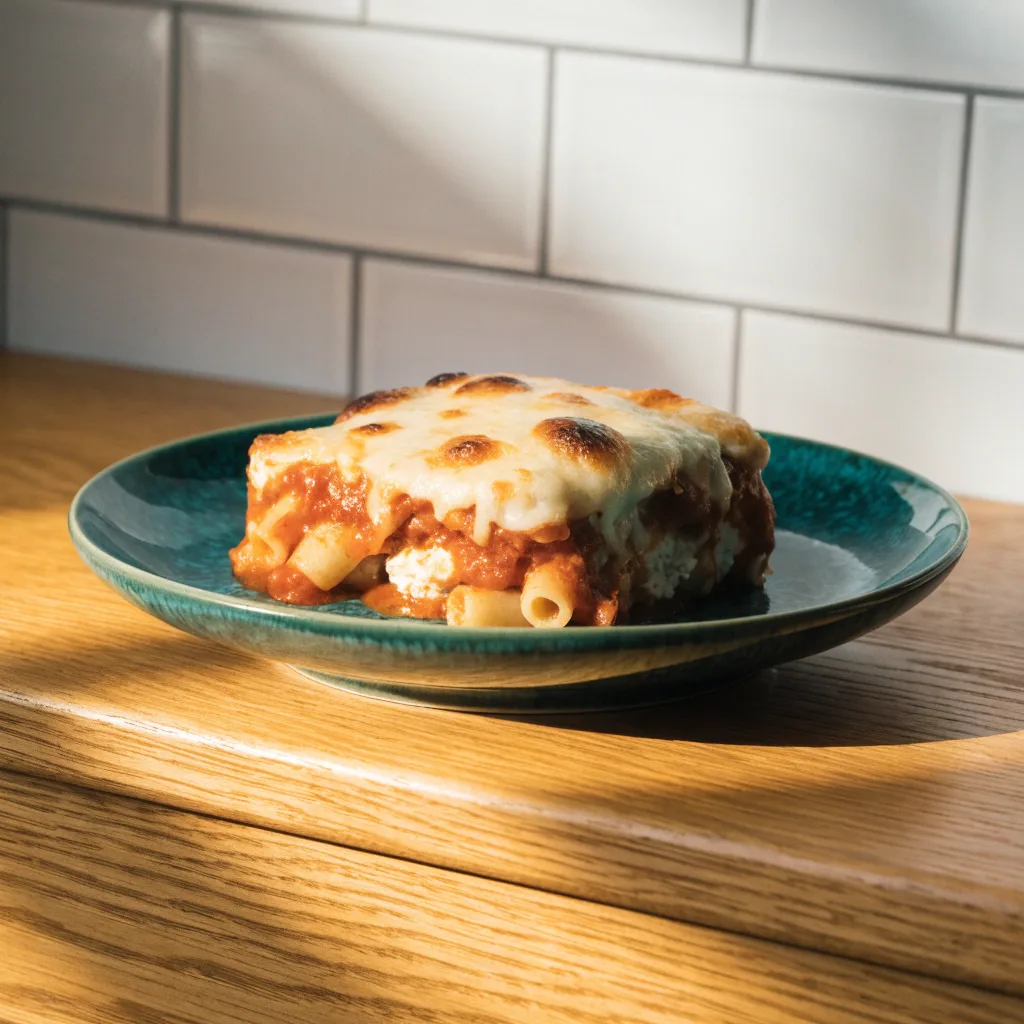
Blended cottage cheese stands in for cream in sauces and mash without the fat that comes with actual cream. Grilled steak with cottage cheese chimichurri uses it stirred straight into the sauce, where it adds body without turning the whole thing heavy, at 45g of protein per serving from the steak and sauce together. Cottage cheese pasta bake meal prep leans on it the same way ricotta would in a baked ziti, at 38g per serving across a full pan that holds for the week.
Sweet: it replaces most of the butter
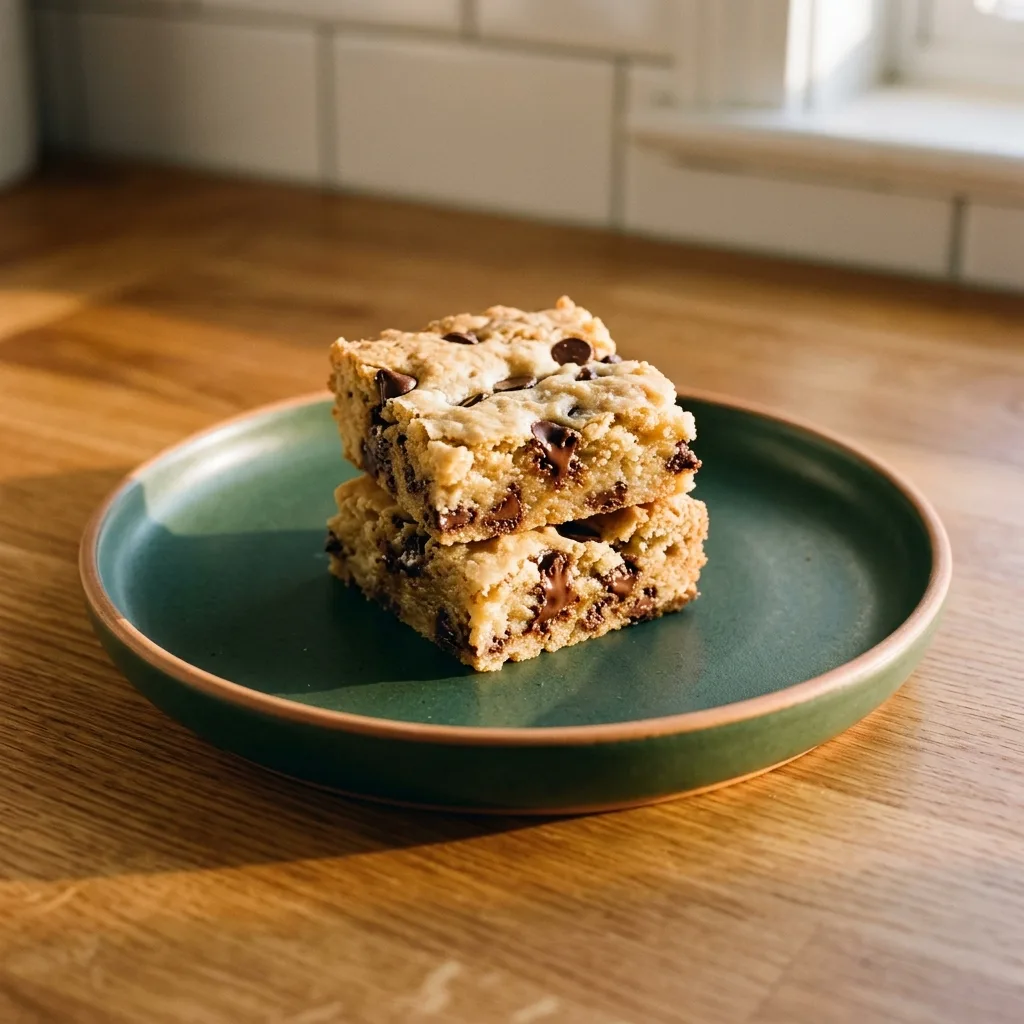
Blended cottage cheese does the moisture job butter usually does in a blondie, minus most of the fat and calories. Cottage cheese chocolate chip blondies get their fudgy texture from it, and nobody at the table can tell it's in there once it's baked through.
One rule: fat content follows the use
Buy full-fat if you're blending it into a savory sauce, where you want richness. Buy low-fat if you're baking, where the eggs and almond flour are already providing structure and you don't need the extra fat fighting them. Get it backwards once, with a thin, greasy sauce or a blondie that won't set, and you won't do it again.
Once blended cottage cheese has a place in your kitchen, the rest of the high-protein swaps get easier to make. See protein desserts that aren't sad for more of what dairy can do that powder can't, and how much protein do you actually need for where a jar of cottage cheese fits into your daily number.
Recipes in this post
More from the blog
Protein desserts that aren't sad: what separates the good ones from chalk
There are three ways a protein dessert goes wrong and each one has a fix. Once you can name the failure you stop making it.
The Protein Drop #8: Keep the sauce out of the box
A peanut sauce poured over on Sunday has been absorbed by Tuesday. In a tub of its own it is still a sauce on Thursday, and a teaspoon of hot water brings it back.
The Protein Drop #7: A lunch that never goes near a microwave
Most prep boxes get worse every day. A jar of tuna, white beans and lemon dressing gets better, and it is ready the second you open it.
What to put on top
A Nutella alternative with six grams of protein in two tablespoons, where the original has about one. Plus five more things that make a bowl better instead of just bigger.
Comments
Sign in to leave a comment. Free for all members.
No comments yet. Be the first.