
How much protein do you actually need? A real number, not a range
Every source gives you a range wide enough to be useless. Here is how to land on one number for your body, and how to spread it across the day so it counts.

Ask five sources how much protein you need and you'll get five ranges, each wide enough to justify whatever you were already eating. 0.8 to 2.2 grams per kilogram. That's not guidance, it's a shrug with numbers on it.
So let's land on one.
The floor is not the target
0.8g per kilogram of bodyweight is the RDA, and it's the number everyone quotes first because it's the official one. It represents the minimum to avoid deficiency in a sedentary adult. It has nothing to do with building or keeping muscle, and it was never meant to.
If you lift, walk a lot, or are trying to hold onto muscle while losing fat, the research settles into a much narrower band: 1.6 to 2.2g per kilogram. Below 1.6 and you're leaving gains on the table. Above 2.2 and you're not getting meaningfully more; you're just eating more protein than the studies bothered testing.
The practical number for most people: bodyweight in kilograms times 1.8. A 75kg person lands at 135g. Write it down once and stop recalculating it every time a new study gets posted.
Distribution matters as much as the total
Hit your total in one meal and most of it goes to waste. Muscle protein synthesis responds to protein per sitting, and that response saturates: your body can only put roughly 35-40g of a single meal to work building or repairing muscle. The rest gets used for energy or stored, same as any other calorie.
That's why four meals at 35g beats one 140g dinner even though the daily total is identical. Spread it across the day and every meal gets to do its job. Bunch it into one sitting and three of your meals aren't contributing.
Divide your target by four meals and that's the number to hit at each one. For our 75kg example, that's roughly 34g per meal, four times.
Where people actually fall short
Breakfast. Every time.
A bowl of cereal and milk gets you maybe 8g against a 35g target, and a bagel with cream cheese isn't much better. That 27g gap doesn't get quietly made up later. It just becomes a deficit you carry until the next meal, and then the one after that has to make up for two shortfalls instead of one.
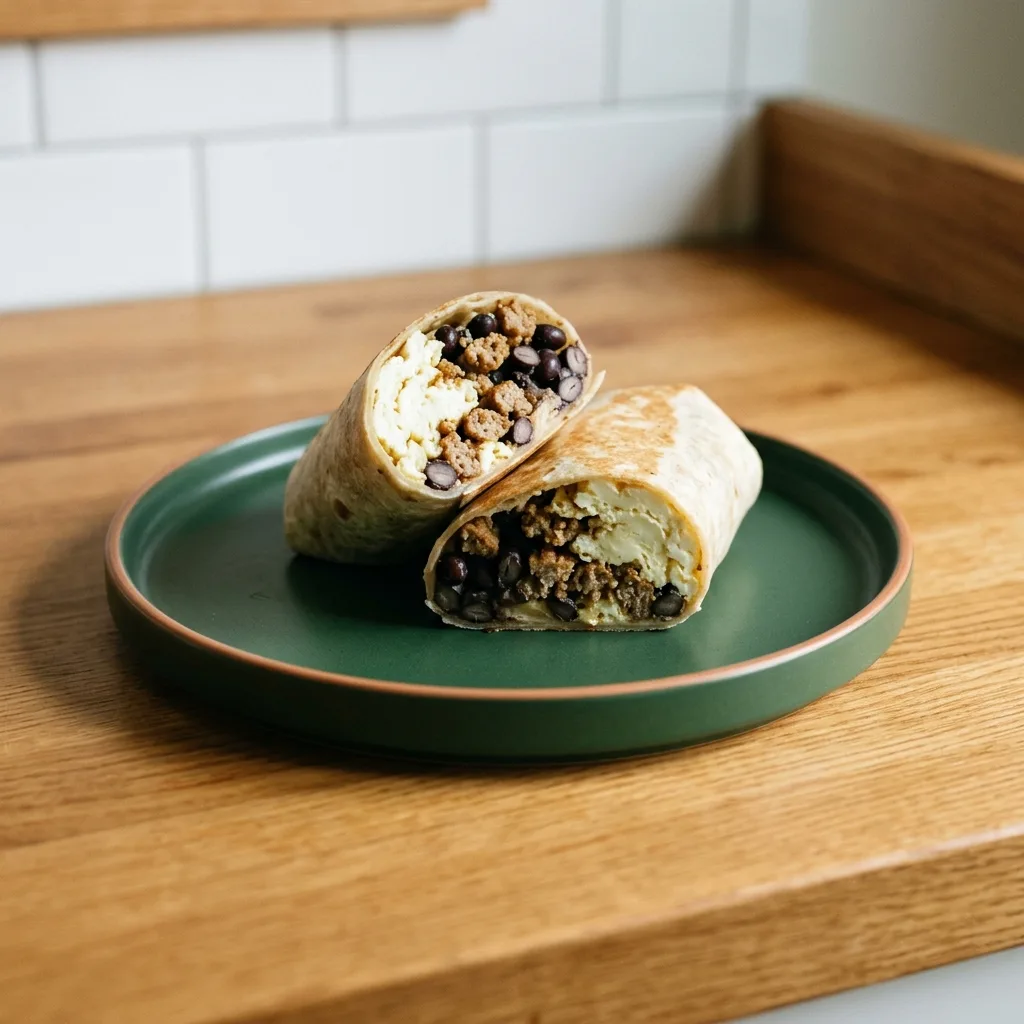
Swap the cereal for eggs, skyr, or a protein shake and the rest of the day gets easier by default, because you're not playing catch-up from breakfast onward. It's the single easiest fix available to you. Our high-protein breakfast burrito runs 47g in one sitting and takes about the same time as toast.
Put it on a plate
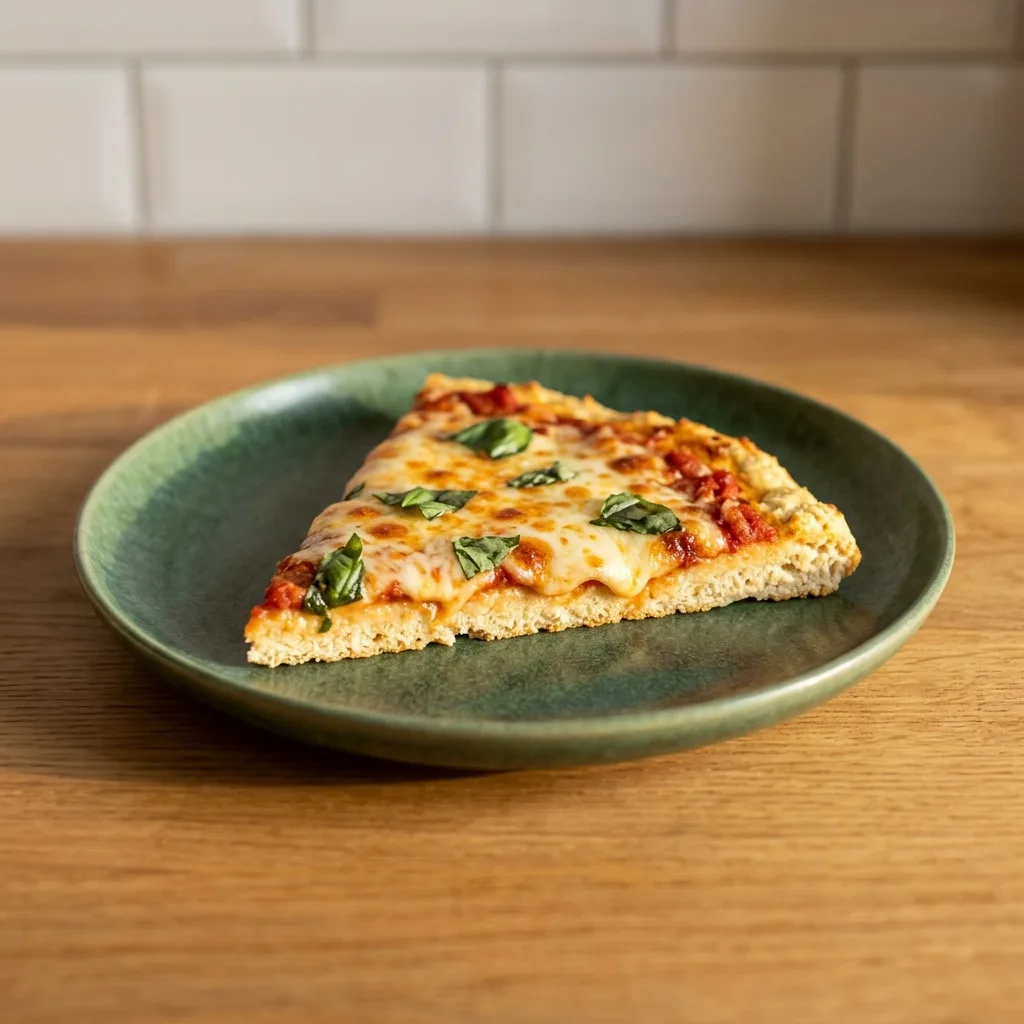
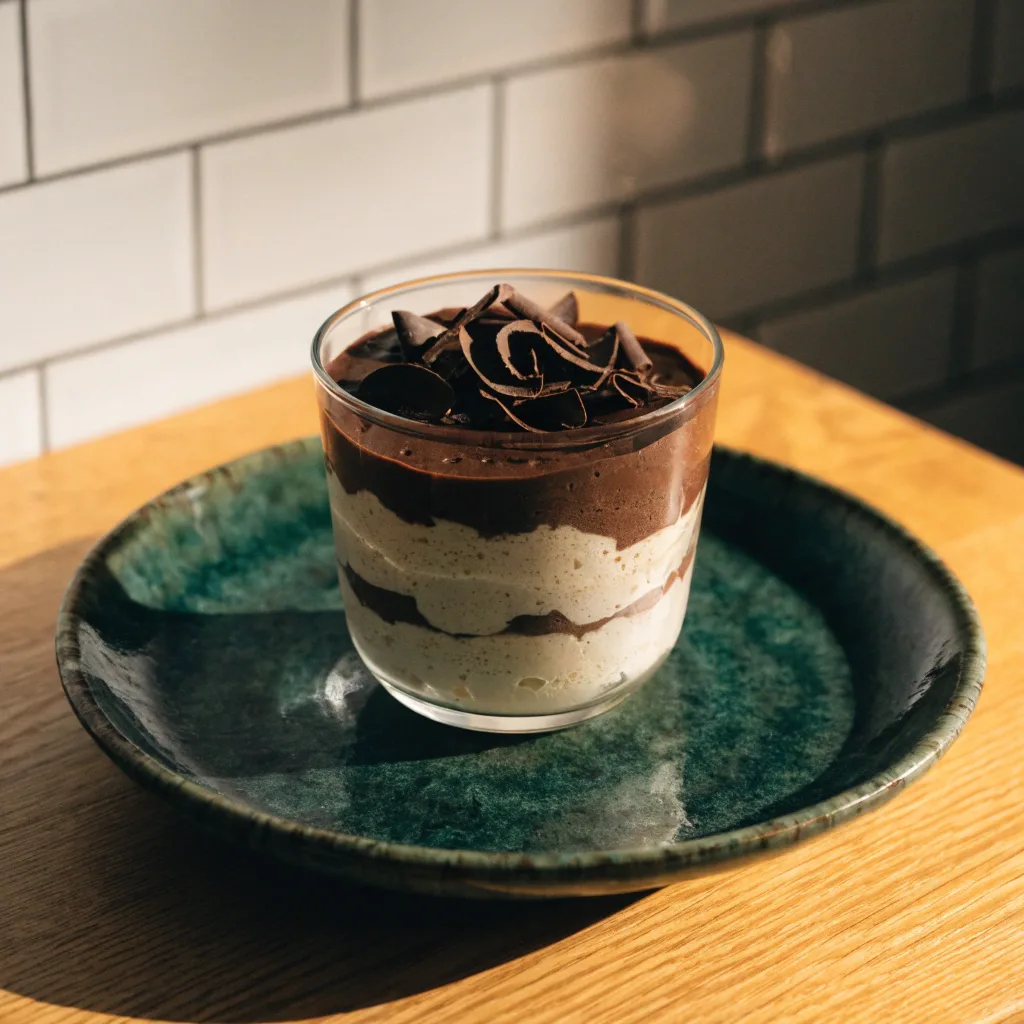
Chicken crust margherita pizza is the clearest example of what building a meal around the target looks like rather than around the dish: 45g of protein per serving because the crust itself is ground chicken, not flour. A casein bedtime pudding parfait is proof the same thinking works at the other end of the day, at 34g for something that eats like dessert.
None of this requires tracking every gram forever. Work out your number once, spread it across roughly four meals, and fix breakfast first. That's the whole system.
For the specific texture and timing questions once you're hitting your number reliably, see casein vs whey at night and the 90-second protein breakfast. To see this formula turned into three actual plates at three different bodyweights, see three meals to your number.
Recipes in this post
More from the blog
Where your protein day leaks
Most people miss their protein target without ever eating a low-protein meal. The leak is in the split, not the total, and it shows up in the same place almost every day.
The Protein Drop #3: Sushi bake, four lunches, no rolling
The viral sushi bake was built for a party tray. It turns out to be one of the best prep dishes we have tested, as long as you keep the nori dry.
Three meals to your number: a full day at three bodyweights
The formula gives you a target. Here is what hitting it looks like on a plate, at three different bodyweights, built entirely from recipes already in the database.
Casein vs whey: why one makes pudding and the other makes a smoothie
Everyone quotes the digestion speed. The texture difference is what decides whether you end up with pudding or a smoothie.
Comments
Sign in to leave a comment. Free for all members.
No comments yet. Be the first.