
Three meals to your number: a full day at three bodyweights
The formula gives you a target. Here is what hitting it looks like on a plate, at three different bodyweights, built entirely from recipes already in the database.

The formula is bodyweight in kilograms times 1.8, split across roughly four meals. That number is easy to write down and harder to picture. What does 135g look like arriving on three plates over one day?
Here it is, at three bodyweights, built from recipes that already exist in the database rather than anything engineered to hit a round number.
60kg, targeting about 108g
Breakfast: high-protein breakfast burrito, 47g. Egg whites and turkey sausage in a tortilla, ready before the coffee's done.
Dinner: turkey and quinoa stuffed peppers, 30g. A full plate at 365 calories, which leaves room.
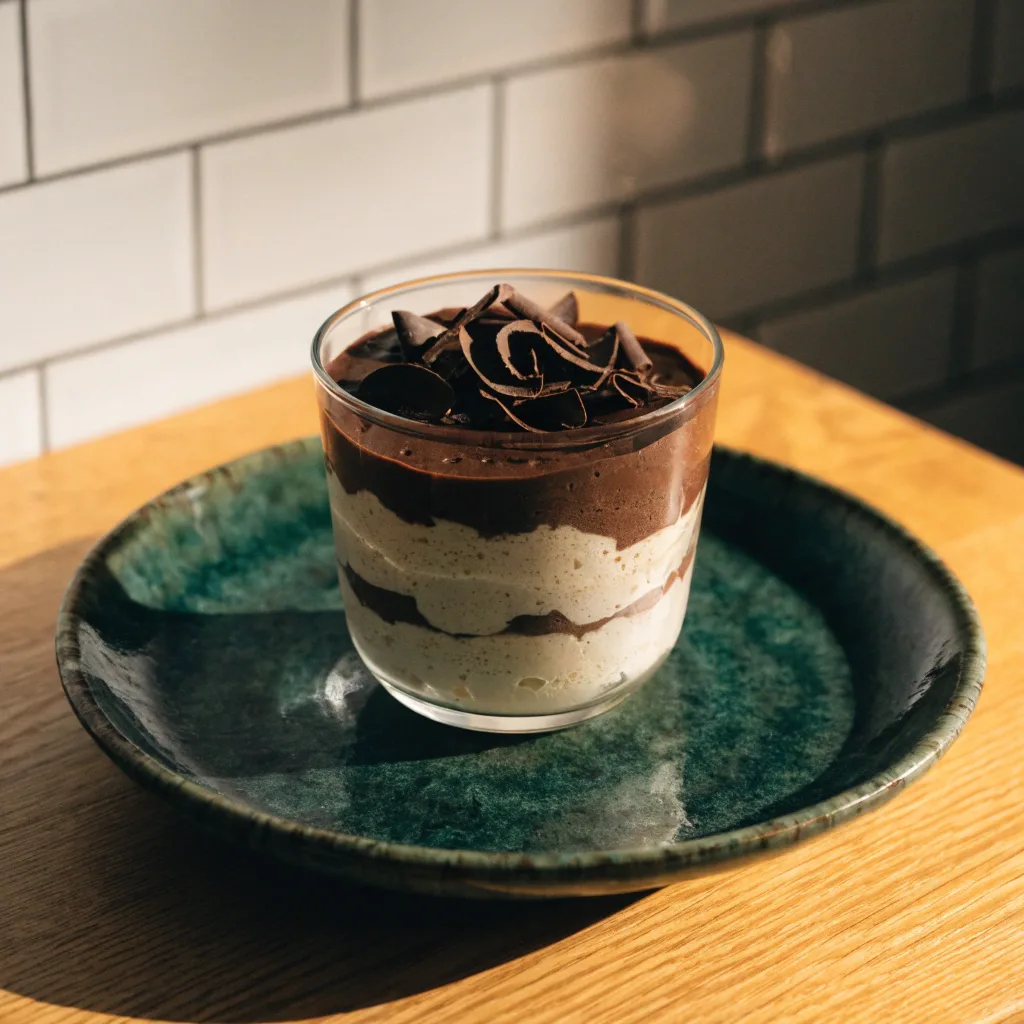
Evening: casein bedtime pudding parfait, 34g. Chocolate pudding that sets itself in the fridge, and closes the gap without another cooked meal.
Total: 111g against a 108g target, three grams over. No snack, no shake, no tracking app open at 9pm.
75kg, targeting about 135g
Breakfast: chocolate peanut butter skyr overnight oats, 29g, made the night before and eaten cold from the jar.
Lunch: turkey taco meal prep bowls, 42g, whichever container's next in the fridge from Sunday's batch.
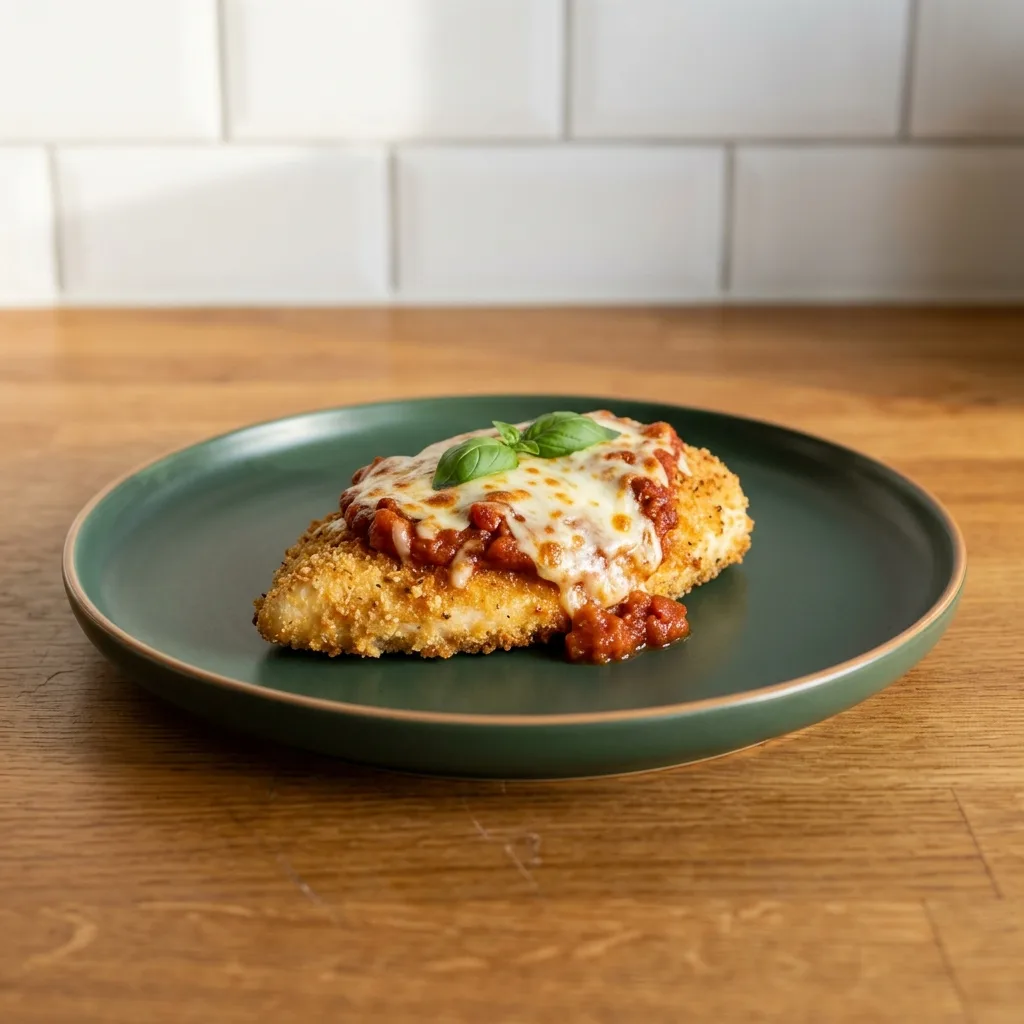
Dinner: baked light chicken parmesan, 62g, at 480 calories for a dish that doesn't taste like it's trying to be light.
Total: 133g against a 135g target. Two grams short, closer than the formula usually gets you without deliberately padding a meal.
90kg, targeting about 162g
Breakfast: skyr and granola parfait, 26g, five minutes of assembly and no cooking at all.
Lunch: Greek chicken and orzo meal prep bowls, 56g, the lemon-yogurt dressing carrying flavor across all five days of a batch.
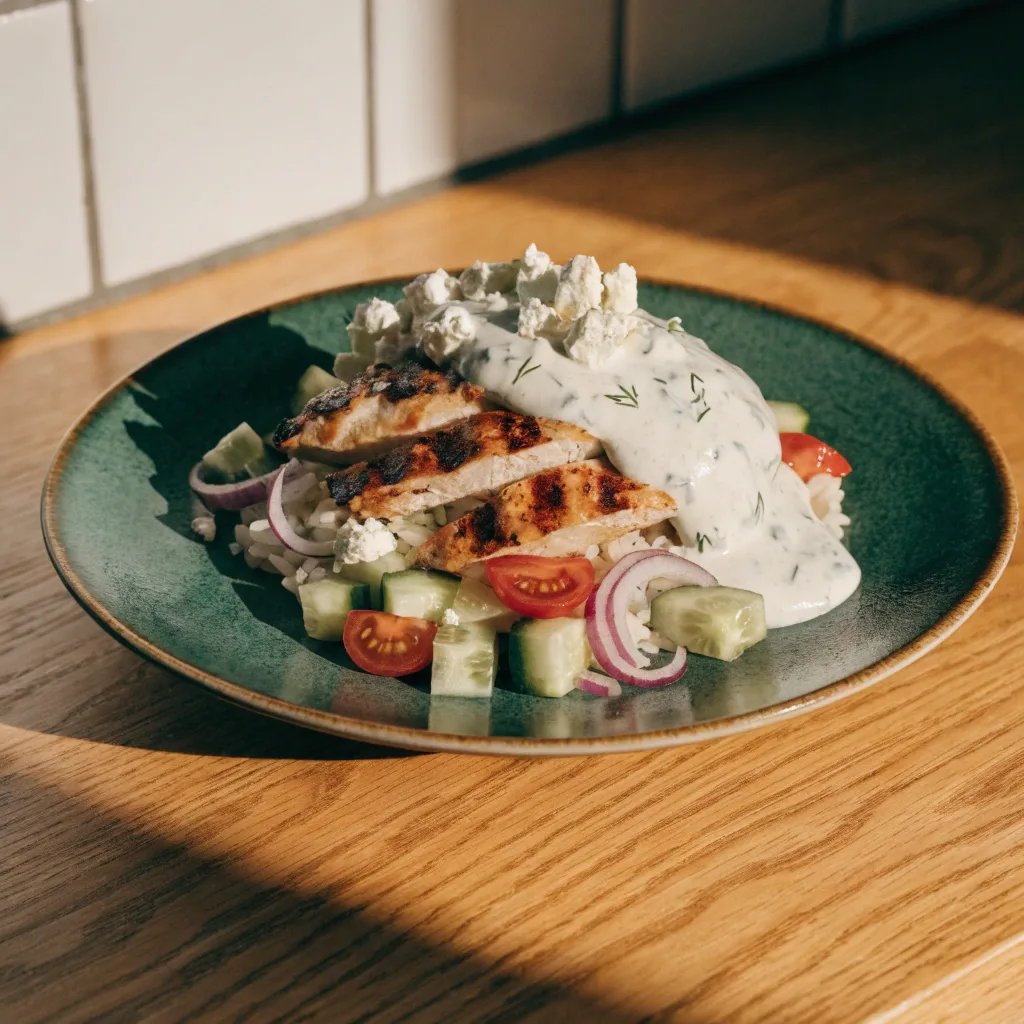
Dinner: Greek chicken souvlaki bowls, 58g, tzatziki doing double duty as sauce and dressing on a bowl built for batch cooking.
Total: 140g against a 162g target, the widest gap of the three days. Even short, it beats guessing: you know exactly how much more you need and from where.
What the three days have in common
None of these plates were built for this post. They're three ordinary picks pulled from the recipe list, chosen because the protein numbers happened to add up close to a round target. That's the actual claim: you don't need a bespoke high-protein diet plan. You need three recipes that already exist and a number to check them against.
The pattern that repeats across all three days: one dense dinner doing 45-55% of the total, a lighter breakfast or lunch on either side, and where the count runs short, something like a casein pudding or a parfait closes the gap without turning into a second full meal.
Swap any of these nine for another recipe with a similar protein number and the day still lands. That's the whole trick, and it's the same logic behind one Sunday, five dinners: pick components, not a fixed menu, and let the numbers do the arranging.
For how the 1.8g per kilogram formula was derived and why four meals beats one big one, start with how much protein do you actually need.
Recipes in this post
More from the blog
The Protein Drop #3: Sushi bake, four lunches, no rolling
The viral sushi bake was built for a party tray. It turns out to be one of the best prep dishes we have tested, as long as you keep the nori dry.
Casein vs whey: why one makes pudding and the other makes a smoothie
Everyone quotes the digestion speed. The texture difference is what decides whether you end up with pudding or a smoothie.
How much protein do you actually need? A real number, not a range
Every source gives you a range wide enough to be useless. Here is how to land on one number for your body, and how to spread it across the day so it counts.
One Sunday, five dinners: the meal prep that doesn't taste like Wednesday
Sealed containers of identical food is why most people quit meal prep by week three. Prepping components instead of meals fixes the boredom and the texture.
Comments
Sign in to leave a comment. Free for all members.
No comments yet. Be the first.